
The Childline guide to a healthier, happier summer

Summertime and the livin’ is easy… well, that’s the plan but, for many children and their parents, the thought of the long weeks of the holidays without the safety net of the school regime can be daunting.

At Childline, we know that children and young people can feel anxious during the summer. They miss their usual routine, their friends and, sometimes, the safety and structure of school.

Parents tell us they are worried about keeping their children entertained for such a long amount of time on a budget. They can be concerned about older siblings minding younger ones, children being lonely or being in potentially unsafe situations when they play outside or online.

Work through some scenarios, suggests ISPCC Clinical Lead Bree O’Neill, and that way both parents and children will be more prepared for whatever challenges the summer may bring.

It is a different dynamic over the summer and parents need to gear themselves up for that. Think of the family and consider what each person might need – the aim is to try to ensure everyone’s needs are met and everyone’s limits are accepted.

Don’t judge yourself, says Bree. Chances are your children will have more treats and screentime than usual, but it is the holidays and that is normal. However, she does recommend that parents try to stick to some form of routine over the summer. This helps provide structure for children and parents, many of whom are trying to juggle work and childcare.

Despite the long days, children still need their sleep. Yes, it’s good to have fun on holidays, says Bree, but it will be a nightmare trying to get children back on track three days before school starts. Instead, she recommends bringing bedtimes back about a fortnight before the return to school.

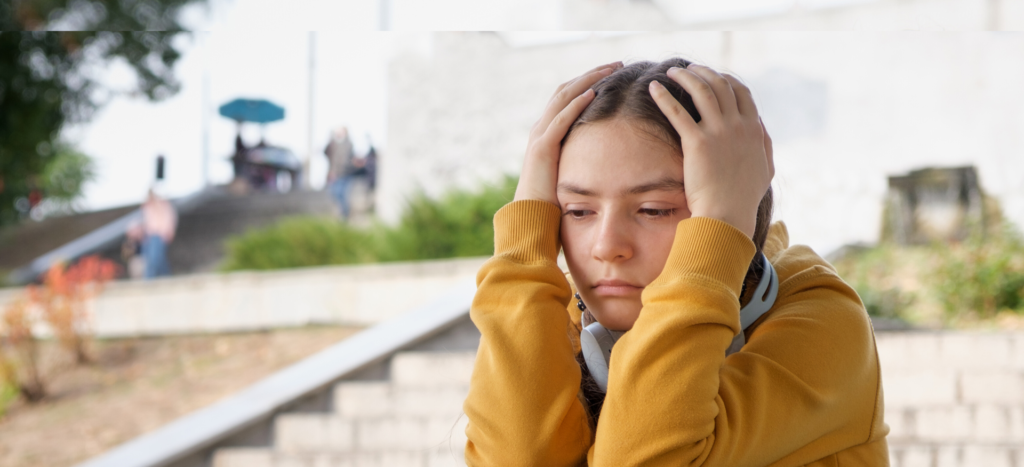
For those children who suffer from anxiety, the long summer holidays can exacerbate these feelings, says Bree. ISPCC and our volunteers on the Childline 24/7 listening service are always here to help.

Bree believes that the summer offers a very good opportunity to focus on mental and emotional health for both children and parents. The time away from the usual constraints of school, exams and activities offers children, young people and their parents an opportunity to take stock, breathe and put steps into place that help to bolster wellness.

ISPCC offers three free online Digital Mental Health programmes designed for teenagers experiencing anxiety and parents/carers of both teens and younger children. These early intervention programmes are fully supported by volunteers, take one hour a week and can be completed at the user’s leisure within a 12-week timeframe.

For more information on ISPCC’s Digital Mental Health programmes, go to https://www.ispcc.ie/guided-digital-programmes/


Krystal & The Queers come out in support of ISPCC ahead of fabulous Cork fundraiser

On May 19, Cork will be buzzing as Krystal & The Queers take to the stage at the city’s Gaia bar on 98th Street for a night of fun and frolics with all funds raised going to ISPCC. 

The Cork drag scene is thriving and the unforgettable performances of Krystal Queer and her fellow drag queens Liam Bee and Kia Koke are inspired by the New York club vibe of the 1980s and 1990s. 

Prepare to be surprised as Krystal Queer herself has said that you never know what you’re going to get with her. Characters such as Meg Griffin and Marge Simpson may even make special guest star appearances…

All will be revealed on May 19th. 

ISPCC, and its suite of Childline services including the 24/7 listening service, is a cause very dear to Krystal Queer. 

“This fundraiser holds a special place in my heart as when I was younger, I was deeply affected by the suicide of a friend. Unfortunately, a legion of others can say the same. We want to turn that grief into a positive force and aid Childline by doing what we do best – laughing, dancing and celebrating life. 

“Countless young people suffer in silence and darkness so we are pledging to be as loud and as bright as we can be. Everyone’s mental health matters – whether you’re a dentist, a driver or a drag queen.”

Doors open at 6.30pm, the performance starts at 7.30pm and will be followed by a DJ. Tickets priced at €10 are available on Eventbrite https://www.eventbrite.ie/e/drag-show-in-aid-of-childline-tickets-619861310867?aff=ebdssbdestsearch or at the door. 

A raffle on the night includes such fantastic prizes as one night B&B at the luxury four-star Kingsley Hotel, a €50 Spitjack voucher and much more.

ISPCC needs to raise over 75% of its funding through donations each year to ensure we can be there to support children and young people 24-hours a day, 365 days of the year.  We rely on the generosity of the public and are grateful for all support. We encourage children to reach out for any reason. To donate to ISPCC, https://www.idonate.ie/event/dragshowchildline


ISPCC’s free Space from Anxiety programme is the right prescription for increasing numbers of young people suffering from anxiety

“This programme really helped me to overcome my feeling of depression and low self-esteem,” said one user of ISPCC’s free Space from Anxiety programme, who added that “I could identify the possible triggers and take the necessary actions to relieve them, as opposed to them spiralling out of control and morphing into a mass of negativity.”

Volunteers at ISPCC’s 24/7 Childline Listening service have experienced a rise in conversations amongst children seeking support in relation to anxiety and feelings of low mood and unhappiness. Anxiety is a topic frequently discussed by children who speak with Childline both online and on the phone, says ISPCC Chief Executive John Church. 

For those children and young people suffering from low to moderate anxiety, ISPCC can offer a solution – Space from Anxiety. This is a free online CBT-based programme created by SilverCloud, a leading digital mental health provider. ISPCC provides three separate but complimentary Digital Mental Health and Wellbeing programmes, one of which is designed for teenagers experiencing anxiety and two are available to parents/carers of either anxious children or teens. 

Space from Anxiety is aimed at 14–18-year-olds, and it is designed to empower young people who experience low to moderate anxiety. Supporting an Anxious Child and Supporting an Anxious Teen are programmes that will help users to understand anxiety and better support their child or young person. 

The programme includes interactive tools, activities, mood monitors and journals to encourage users to apply CBT to their own lives. Throughout the duration of the early intervention programme, users will be supported by fully trained ISPCC volunteers. 

Dee Higgins, an ISPCC volunteer, believes that the programme is empowering for users of all ages. “It gives parents and young people a chance to deal with their anxieties before it becomes a huge issue,” she said, adding that “if parents can understand what their child is going through, that’s a huge step.” 

Users have 12 weeks in which to complete the programme under the guidance of a volunteer and can benefit from an unsupported version of the programme for one year after this time. 

There are several ways to access the programmes including making a self-referral through a GP, CAMHS or school.

Dee Higgins says that volunteers build a relationship with users as they support them. “It’s a great resource, there are so many children and young people suffering from anxiety and it gives them a chance to learn the skills to introduce into their day-to-day life and help them deal with anxiety, recognise how they are feeling and understand the physical effects they feel from anxiety. 

“Following the programme starts them on the journey to learning the skills to help themselves and others and that’s something they can use for the rest of their lives.”

How ISPCC can help parents of children suffering from anxiety

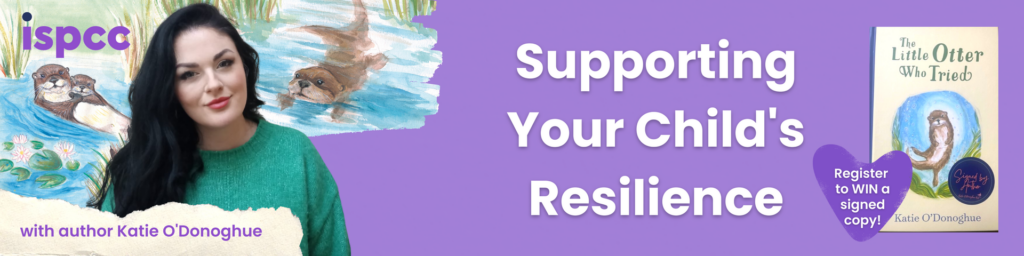
ISPCC and author and illustrator Katie O’Donoghue are continuing their successful series of free webinars for parents and teachers that will provide them tools and tips to help bolster children’s resilience and manage anxiety.  

The first in the series which was aimed at parents, focussed on resilience, while the next webinar, taking place on April 25, will help parents to support children suffering with anxiety.     

 At ISPCC, we know what is worrying children and young people in Ireland; we know what is on their minds and we know how to support them. Through this series of bespoke webinars, parents and teachers will learn skills and strategies for children between five and 12 years of age who are feeling anxious.    

 ISPCC parenting leads Siobhan Harvey and Niamh Clarke will be joined by author, illustrator and art psychotherapist Katie O’Donoghue, whose second book The Little Otter Who Tried has recently been published by Gill Books.    

The Little Otter Who Tried is a beautifully illustrated book that aims to teach children valuable lessons about self-care, resilience and how to ask for help; vital lessons that will be covered throughout the webinar series. Participants will also gain a better understanding of anxiety, as well as increased knowledge of coping skills to support children and a toolkit of resources.   


Webinar details are:  

 Parents – Managing Anxiety  

April 25th, 7-8pm  

Teaching Professionals  

May 9th, 3-3:30pm where both building resilience and managing anxiety will be covered. 

Participants who register on ispcc.ie will also be in with a chance to win a signed copy of The Little Otter Who Tried.   


ISPCC welcomes the official establishment day of Coimisiún na Meán

glossary
glossary

ISPCC welcomes the official establishment day of Coimisiún na Meán which has been set up in accordance with the Online Safety and Media Regulation Act (OSMR).  

It is a great development to see Niamh Hodnett take on the role of Online Safety Commissioner. ISPCC has campaigned for the establishment of such an office since it was recommended by the Law Reform Commission in 2016. 

We commend Minister Catherine Martin for empowering the Online Safety Commissioner to develop binding online safety codes that hold designated online services to account for how they deal with harmful online content.

John Church, ISPCC CEO, said: “The establishment of Coimisiún na Meán and the office of Online Safety Commissioner is a crucial step in improving the safety and experience of children and young people in the ever-changing digital landscape. This is an extremely positive day for children and young people and we look forward to supporting the Coimisiún in any way we can.”

ISPCC | Childline.ie and acclaimed author and illustrator Katie O’Donoghue to host series of free resilience-boosting webinars

Digital sessions will equip parents and teachers of primary school children with tools to bolster resilience and provide tips to help manage anxiety 

March 14, 2023 – ISPCC and author and illustrator, Katie O’Donoghue are set to host a series of free webinars for parents and teachers that will provide them tools and tips to help bolster children’s resilience and manage anxiety.  The first in the series which is primarily for parents, will take place on March 28th, 2023.    


At ISPCC, we know what is worrying children and young people in Ireland; we know what is on their minds and we know how to support them. Through this series of bespoke webinars, parents and teachers will learn skills and strategies for children between five and 12 years of age who are feeling anxious and who would benefit from a boost in confidence to strengthen their resilience.   


ISPCC parenting leads will be joined by author, illustrator and art psychotherapist Katie O’Donoghue, whose second book The Little Otter Who Tried has recently been published by Gill Books.   


The Little Otter Who Tried is a beautifully illustrated book that aims to teach children valuable lessons about self-care, resilience and how to ask for help; vital lessons that will be covered throughout the webinar series. Participants will also gain a better understanding of resilience, as well as increased knowledge of coping skills to support children and a toolkit of resources.  


Webinar details are: 

Parents – Building Resilience 

March 28th, 7-8pm 

Parents – Managing Anxiety 

April 25th, 7-8pm 

Teaching Professionals 

May 9th, 3-3:30pm where both topics will be covered.

Participants who register will also be in with a chance to win a signed copy of The Little Otter Who Tried. 

To register, follow this link: https://events.teams.microsoft.com/event/49460a06-62b8-4f94-8102-223b6006935e@bb926d5e-af5f-4830-b812-e4d184987285


ISPCC calls for Government commitment to meaningful investment in mental health provision for children and young people

ISPCC calls for Government commitment to meaningful investment in mental health provision for children and young people

Children’s mental health was in the spotlight again today as the Children’s Rights Alliance (CRA) launched its Report Card 2023 and for the second consecutive year awarded the Government an ‘E’ grade in relation to youth mental health.

Children have a right to appropriate care, and at ISPCC we know the importance of prevention and early intervention. The Government must commit to a policy of both targeted and universal investment in mental health service provision for children and young people. 

We reiterate our call for the Government to commit with haste to the implementation of the Pathfinder interdepartmental unit on youth mental health in order to align and streamline the mental health supports across various government departments. 

ISPCC CEO John Church says “This has been a key policy ask of the ISPCC since it was first recommended in the National Youth Mental Health Task Force Report in 2017, of which ISPCC was a member. There can be no further delay if we are to truly recognise the health rights of children and young people and to employ best efforts to have a world-class mental health service.”

It is a mammoth task to issue an annual report card and we commend the CRA for all its efforts in doing so. 

The Government’s ‘E’ rating in this year’s CRA’s report card – a grade awarded due to the long waiting lists facing young people requiring support from Child and Adolescent Mental Health Services (CAMHS) – shows the need for this administration to demonstrate that it considers the mental health of children and young people to be a key priority. 

ISPCC shared the sense of shock felt by many on the publication of the interim report by the Mental Health Commission into the Child and Adolescent Mental Health Service in January. 

CAMHS is illustrative of the crisis facing the health service. Yet, sadly, this is not a surprise for those of us working to support children and young people. 

The ability of CAMHS to provide a meaningful service is also hampered by staffing issues and the slow pace of digital transformation. A digital system that allows for timely monitoring and continuity of care is essential. As it stands, the system is utterly broken, despite the best efforts of those working within it. 

At ISPCC, mental health concerns are one of the primary reasons why children and young people contact us. Calls on mental and emotional health are a top profile in our 24/7 Childline Listening Service. 

In terms of online safety we are delighted to see the Government’s efforts recognised by the awarding of a ‘A’ grade. The Online Safety and Media Regulation Act is a crucial piece of legislation designed to improve the safety and experience of children and young people in the ever-evolving digital environment. However, we strongly believe that there is more work to be done in this area.

We need an updated action plan on online safety, the Online Safety Commissioner must be sufficiently resourced and proposed binding codes must be fit for purpose. 

It is imperative that children and young people can always be safe online, however we know from those who contact Childline that this is not always the case.

Our partner in the Irish Safer Internet Centre, Hotline.ie has helped many of those young people who have been the victims of ‘intimate image abuse’ (IIA) as operators of the reporting mechanism for such images. Under the Harassment, Harmful Communications and Related Offences Act, it is an offence to share an intimate image or video of a person without their consent. 

This is a complicated issue, and ISPCC is grateful to have been involved in consultations regarding the revision of the Relationships and Sexuality Education (RSE) programme for Junior Cycle in post-primary schools. programme. We believe this is a key opportunity for the curriculum to be modernised and respond to the needs of children and young people.

It is crucial that we teach our children how to manage their relationships in a digital world. 

“A truly innovative and dynamic new RSE programme will empower all children and young people, by making them familiar with the concept of sexuality and the distinction between healthy and unhealthy, or inappropriate relationships,” says ISPCC CEO John Church. “This could assist in the prevention of, or early intervention in, potential child sexual abuse cases happening in future.”


Almost 200,000 young people take part in Ireland’s biggest ever Safer Internet Day

safer
safer

‘Promoting Respect and Building Empathy Online’ more important than ever says Irish Safer Internet Centre

The launch of Safer Internet Day takes place today Tuesday, February 7, 2023, at The Chocolate Factory, 26 King’s Inns St, Rotunda, Dublin 1.

Today is the biggest ever Safer Internet Day in Ireland with almost 200,000 young people and children taking part in initiatives around the country  to mark the occasion. 

The launch is a student-led event focused on promoting respect and building empathy online. It includes discussions and explorations of the opportunities and challenges as they relate to protecting, empowering, and respecting children and young people, while they navigate a digital world. 

This year, the Irish Safer Internet Centre is calling on all of society to play their part in “Promoting Respect and Building Empathy Online”.

A recent survey of teenagers in Ireland, carried out by DCU’s Anti-bullying Centre on behalf of the Department of Education’s Webwise (the Irish Internet Safety Awareness Centre), with a focus on bystander behaviour online reveals that: 

• 45.3% of teenagers surveyed report witnessing some kind of mistreatment online over the last months, with most of the mistreatment happening at the hands of strangers.

• Among those who reported witnessing online mistreatment, 31.3% said a stranger started the mistreatment and 25% said other strangers joined in.

• Of those surveyed, 22.9% of participants who witnessed online mistreatment had used at least one kind of privacy or reporting tool to help others. 

Minister for Education Norma Foley T.D. said: 

“Safer Internet Day is fast becoming a key part in the school calendar and this 20th anniversary is another key milestone. We will continue to support learners and school communities to ensure their online experience is a safe one.

“Just two months ago I published Cineáltas: Action Plan on Bullying which places a significant emphasis on cyber-bullying and seeks to ensure that our schools are safe and happy places for all our children and young people.”

“I would encourage teachers and parents to examine the wide range of resources available to students through Webwise which promotes safer and better internet use.”

Irish Safer Internet Centre Representatives said:

“We are delighted to be back celebrating Safer Internet Day as an in-person event this year and to have the opportunity to discuss some of the key findings of our survey.

“Hosted by young people, today’s event affords us all the forum to ddiscuss all things about and regarding online safety. The theme of the event is ‘promoting respect and building empathy online’ which we know is more important now than ever.

“Our aim from today is to develop better strategies and partnerships on education, awareness prevention, reporting, resolution, which will ultimately effect behavioural change. 

Ombudsman for Children Dr Niall Muldoon, a sustained advocate for children’s rights, championing their safety in the digital environment, and guest speaker at the event, said:

“I am delighted to support the encouragement of more conversations on the topic of respect, empathy and online bullying for this population of children. The #SilentWitness campaign launched today on Safer Internet Day 2023, which was developed by Webwise in close consultation with young people and drawing from the latest survey findings, is an excellent way to kick-start those conversations. 

“The campaign is a series of three short films aiming to get children and adults talking inside and outside the classroom, within families, amongst peers, and in the wider community around the topic of online bullying and actions that can be taken.”

Prachi Agrawal (17), Webwise Youth Panellist said: 

“When you teach people about digital wellbeing you should also teach them about tolerance and acceptance from a young age. When you instil values of respect, respecting other people’s opinions, cultures, sexuality, and religion…you’re instilling a skill that people hold throughout their life.”

Safer Internet Day in Ireland is coordinated by the Irish Safer Internet Centre, a partnership between Webwise, ISPCC, National Parents Council Primary and Hotline.ie, providing a range of complementary online safety services, including an education and awareness centre, child and parent helplines and a hotline.

The Centre is coordinated by the Department of Justice and co-funded by the European Union.